
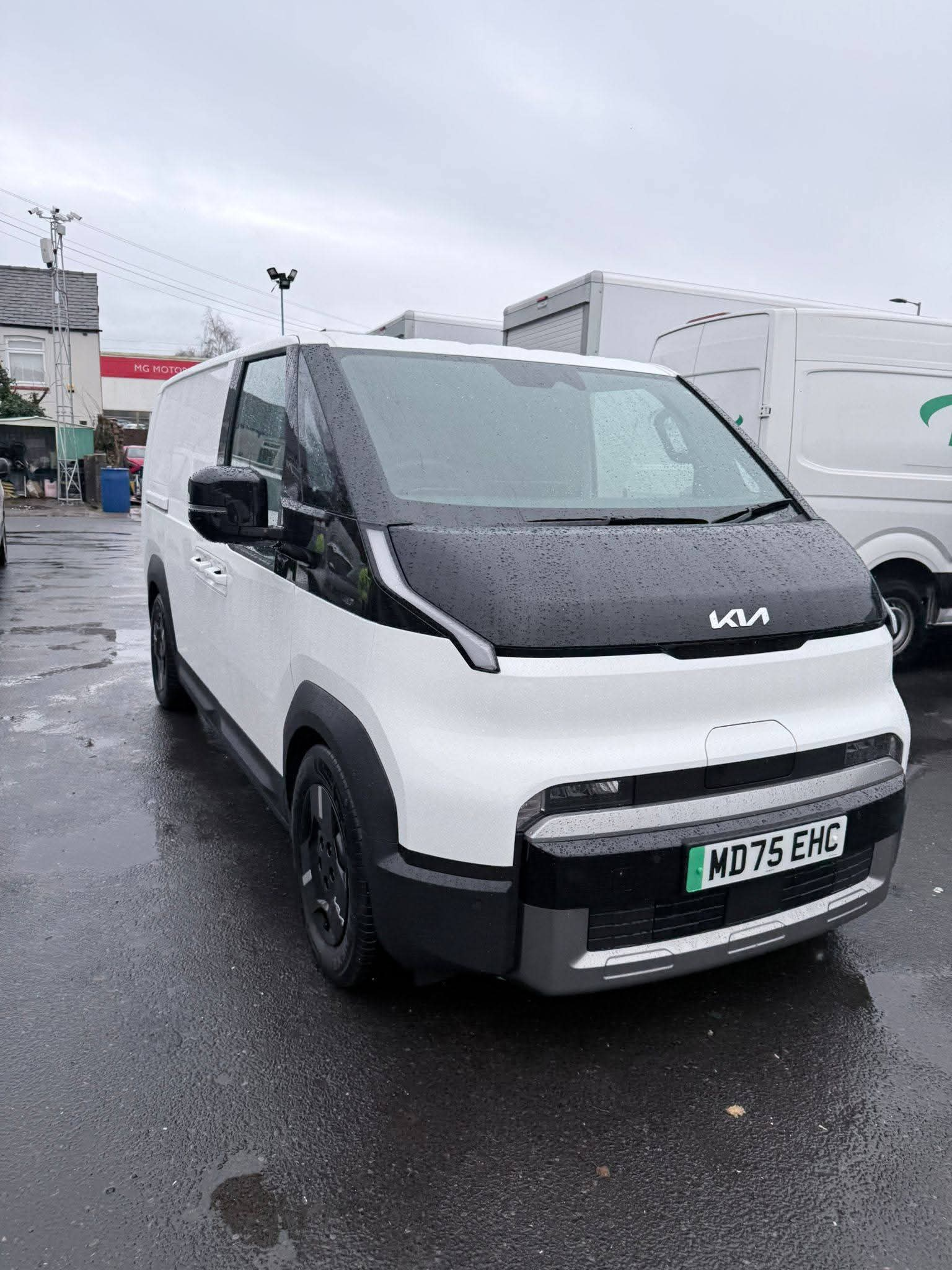
Electric Hiring
10 Questions People Ask Before Hiring an Electric Van
Electric vans are becoming a common sight on UK roads, but for many drivers, hiring one is still a new experience. Whether you’re moving house, making deliveries or need a van for a business project, it’s natural to have questions before choosing an electric model.
Here are the answers to some of the most common questions people ask.
1. How Far Can an Electric Van Travel?
One of the biggest concerns is driving range. The good news is that modern electric vans are capable of travelling much further than many people expect.
Depending on the make and model, you can typically expect anywhere between 120 and 250 miles on a full charge. Actual range depends on factors such as:
- Driving style
- Weather conditions
- Vehicle load
- Motorway versus town driving
For many local journeys, business deliveries and house moves, a single charge is often more than enough.
2. Where Can You Charge an Electric Van?
Electric vans can be charged in several places:
- Public rapid charging stations
- Destination chargers at supermarkets and shopping centres
- Workplace charging points
- Home chargers (where available)
The UK’s charging network continues to grow, making it easier than ever to find a convenient charging location during your journey.
3. How Long Does Charging Take?
Charging time depends on the type of charger being used.
As a general guide:
- Rapid chargers can provide a significant recharge in around 30–60 minutes.
- Fast chargers usually take several hours.
- Standard home charging is typically completed overnight.
Planning charging stops in advance helps make longer journeys straightforward.
4. Are Electric Vans Cheaper to Run?
In many situations, yes.
Electricity generally costs less than diesel or petrol per mile, and electric vehicles have fewer moving parts, which can reduce maintenance requirements.
If you’re covering lots of short urban journeys, the savings can be particularly noticeable.
5. Do Electric Vans Feel Different to Drive?
Most drivers are surprised by how easy they are to drive.
Electric vans offer:
- Instant acceleration
- Smooth automatic transmission
- Quiet driving
- Reduced vibration
If you’ve only driven manual diesel vans before, the experience is often much more relaxed.
6. Can Electric Vans Carry Heavy Loads?
Absolutely.
Electric vans are designed for commercial use and are available in a range of sizes suitable for:
- Home moves
- Tradespeople
- Business deliveries
- Equipment transport
Payload capacities vary between models, so it’s always worth choosing a van that’s appropriate for your load.
7. What Happens If the Battery Runs Low?
Modern electric vans continuously display your remaining battery range and often suggest nearby charging points through the navigation system.
As with fuel vehicles, a little planning goes a long way. Most drivers quickly become familiar with monitoring their remaining range and charging when convenient.
8. Do You Need a Special Licence?
For most electric vans, no.
If you hold a standard UK Category B driving licence, you can usually drive an electric van just as you would a conventional van, provided it falls within the applicable weight limits.
Always check the specific vehicle requirements before travelling.
9. Are Electric Vans Suitable for Long Journeys?
Yes, although they require a little more planning than traditional diesel vehicles.
For longer trips, it’s worth:
- Planning charging stops before you leave
- Using route-planning apps that include charging locations
- Allowing extra time for charging breaks
Many drivers find these breaks make long-distance journeys more comfortable.
10. Is Hiring an Electric Van Right for Me?
An electric van could be an excellent option if you:
- Mainly drive in towns or cities
- Want lower running costs
- Prefer quieter, smoother driving
- Want to reduce your environmental impact
- Have access to convenient charging
For shorter and medium-distance journeys, many drivers discover that switching to electric is easier than they expected.
Final Thoughts
Electric vans have come a long way in recent years. Improved battery technology, expanding charging infrastructure and greater driving range mean they’re now a practical option for a wide variety of jobs.
If you’ve never driven one before, don’t let the unknown put you off. Once you understand how charging, range and day-to-day driving work, you’ll find that an electric van is every bit as capable as many traditional alternatives—while offering a quieter and more efficient driving experience.